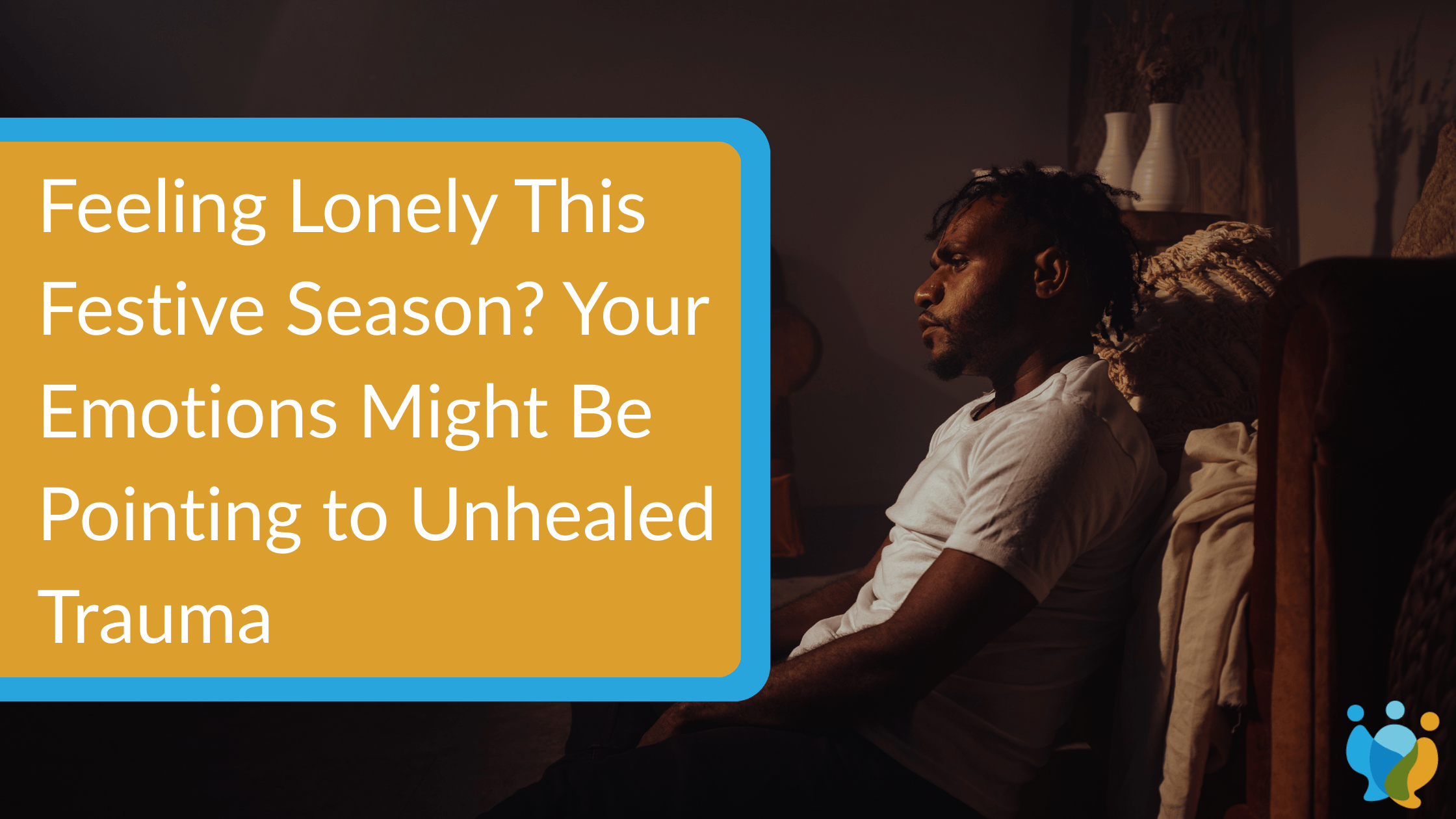
How Forward‑Thinking NGOs Put Staff Mental Health First
There’s a moment many NGO leaders know too well.
A Land Rover hums its way up from a rural valley in western Kenya, bouncing along a dirt road.
Inside, a field officer shakes off dust, papers clutched in hand, and checks her phone.
Half-finished reports.
Short messages from colleagues.
A sense of exhaustion that isn’t just physical. It’s in her chest, in her shoulders, in the way her mind slows after long days of surveys, interviews, and witnessing hardship.
Somewhere under it all, you sense something shifting, motivation is lower, mistakes are creeping in, and the energy that used to fuel mission work now feels brittle.
It’s not incompetence.
It’s not a lack of passion.
It’s the weight of human work finally pressing in on human hearts.
Because no programme thrives when the people running it are running on fumes.
Forward‑thinking NGOs are beginning to realize that prioritizing staff mental health is not a “nice-to-have.” It’s mission-critical.
Understanding the Weight Staff Carry
Why does staff mental health matter so urgently? Because burnout, stress, and emotional fatigue are not abstract concepts, they have real, measurable consequences for both individuals and programs.
The Hidden Cost of Burnout and Stress
In the workplace, stress isn’t just a personal issue. According to the WHO, an estimated 12 billion workdays are lost each year due to depression and anxiety, costing the global economy approximately US$1 trillion annually.
In East Africa, the problem is even more acute. A 2023 survey revealed that 80% of employees in the region report experiencing work-related stress. When it comes to NGOs, the numbers are particularly alarming: in a recent mHub East Africa report, 85.3% of nonprofit workers reported experiencing stress severe enough to impact their work.
National Reality, Kenya
In Kenya specifically, the statistics make a compelling case. A 2024 Cigna study found that 84% of Kenyan employees report high stress levels, citing financial pressures and the cost of living as the main factors.
Meanwhile, Kenya’s public service sector reveals that six out of ten civil servants are struggling with mental health.
This isn’t just about NGO staff; it’s a broader societal issue. But for NGOs, whose staff often bear high emotional burdens while doing community work, the impact is especially profound.
Economic and Mission Risk
When staff are emotionally overwhelmed, productivity declines, turnover increases, and program quality suffers.
In Kenya, stress-related absenteeism is estimated to cost businesses billions of shillings annually.
For NGOs, the ripple effect is even more damaging: lost institutional memory, lower morale, and reduced capacity to deliver.
Moral Injury & Compassion Fatigue
NGO work is not just a job; it’s often deeply personal. Staff engage with trauma, poverty, injustice, and loss.
Without adequate psychological support, team members can suffer moral injury or compassion fatigue. Over time, that erodes not just their well‑being, but the soul of the mission.
Staff are Calling for Change
It’s not just leaders who are waking up to this. In the same mHub report, a majority of NGO workers expressed a clear desire for more mental health support, peer systems, wellness resources, and organizational commitment.
“How might your team respond if they felt truly supported this week?”
How Forward-Thinking NGOs Support Their People
Recognizing the problem is one thing. Acting on it is another. Here’s how NGOs are building sustainable, emotionally healthy teams with concrete, culturally grounded strategies.
A Breath Between Field Visits: Rotating Schedules to Protect Energy
Field officers often shuttle between remote communities and urban offices for weeks at a time. This high-intensity rotation burns people out.
What to do:
- Alternate field and office work to minimize prolonged exposure to high-stress environments.
- Build in “decompression days” after field trips, including mandatory pauses, rather than optional breaks.
Impact:
Staff return more emotionally regulated, more motivated, and more effective in the communities they serve.
Processing Together: Emotional Debriefing Rituals
Exposure to trauma, suffering, or loss is part of many NGO jobs. Without a safe way to process, emotional stress accumulates silently.
What to do:
- Convene short, structured debriefs after difficult field visits or program phases.
- Use trusted facilitators (trained staff or external counselors) to guide reflection, validate feelings, and foster peer support.
- Make these debriefs a routine, not an occasional occurrence.
Impact:
Team members feel seen, heard, and supported, and they are resilient. Emotional debriefing becomes a relational practice, not a reactive fix.
Peer Support Networks
Sometimes the best support comes from someone who “gets it.”
What to do:
- Pair newer staff with experienced colleagues in a “buddy” system.
- Encourage informal weekly or biweekly check-ins to discuss emotional and practical challenges.
- Train mentors in psychological first aid to support one another safely.
Impact:
Peer networks foster trust, alleviate isolation, and reassure staff that they’re not alone in facing the challenges of NGO work.
Small Acts, Big Relief: Micro‑Wellness Interventions
You don’t need big budgets or expensive retreats to support mental health. Small, consistent practices can make a huge difference.
What to do:
- Introduce 10–15 minute wellness breaks, such as stretching, reflection, guided breathing, or tea moments.
- Make breaks non-negotiable.
- Provide prompts like: “How was your heart today?” or journal exercises.
Impact:
These micro-practices act like relational oxygen; they help staff breathe emotionally, reset, and continue without burning out.
Creating a Space Where People Feel Seen and Safe: Psychological Safety & Recognition
Thriving NGOs do more than “get the job done.” They create spaces where people feel valued, safe, and human.
What to do:
- Recognize emotional labor with small acknowledgments or team shout-outs.
- Normalize vulnerability: Leaders model asking for help and admitting to struggles.
- Embed mental health into policy: include in performance reviews, surveys, and conversations.
Impact:
Psychological safety strengthens emotional resilience, retention, and program quality.
Overcoming Cultural and Organizational Barriers
Mental health isn’t always easy to prioritize. Budgets are tight, stigma persists, and organizational inertia is a real issue.
Practical Steps:
- Start small publicly: Pilot a debriefing session for one team and share outcomes.
- Train leaders: Equip managers to recognize stress, conduct regular check-ins, and foster a psychologically safe environment.
- Partner for expertise: Collaborate with local counseling centers for workshops and peer support training.
- Measure what matters: Track absenteeism, staff feedback, and team emotional climate.
A Realistic Vision for Impact
Imagine a team meeting after a field trip. Instead of diving straight into KPIs, the first ten minutes are reserved for a debrief, where each person shares one emotional high and one low.
A quiet “thank you” echoes across the room. Someone mentions a small frustration. The space feels real, honest, relational.
That single ritual becomes a lifeline. Over weeks, mistakes decrease, trust deepens, cohesion strengthens, and creativity returns. Programs become sustainable because staff are grounded, supported, and emotionally strong.
Quick Wins for Leaders
- Rotate one staff member’s field schedule this week.
- Implement a 10-minute micro-wellness break tomorrow.
- Pair staff in a peer support buddy system.
- Hold a short emotional debrief after a field visit.
- Recognize one small staff achievement publicly this week
Help Your NGO Team Thrive at Clarity Counseling & Training Centre
You don’t need a massive budget to start. Pick one practice, such as peer support or micro-wellness breaks, and pilot it this week.
Ask yourself: What type of NGO do you want to lead? One that thrives on overwork and exhaustion, or one that thrives on human resilience, emotional sustainability, and mission with heart?
If you want help designing or scaling mental health initiatives, reach out to Clarity Counseling Kenya. Together, we can build a workplace where people don’t just survive, they thrive.