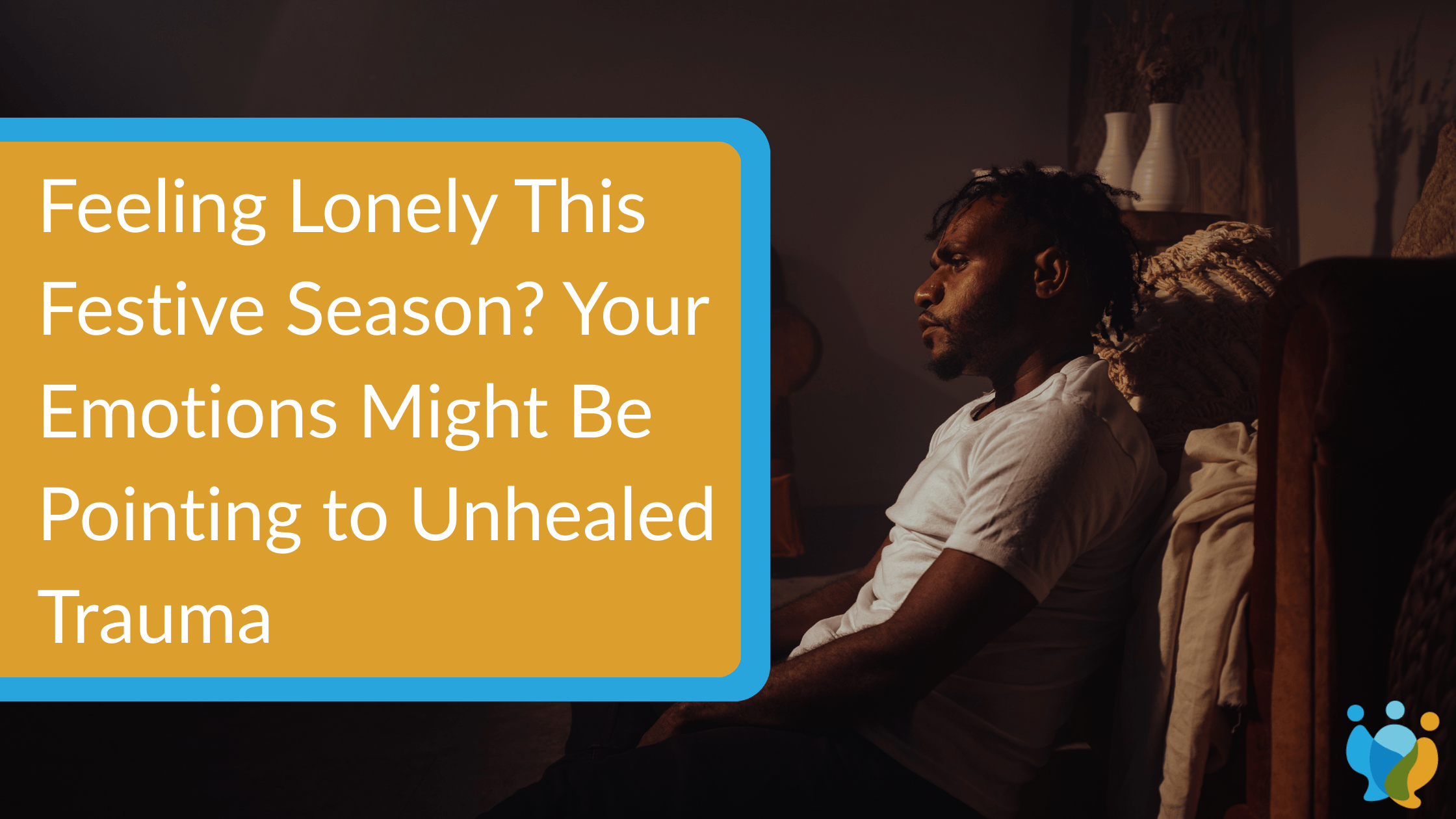
How to Recognize and Heal Family Trauma During Festive Gatherings in Kenya
Christmas holiday afternoons in Kenya have a rhythm of their own.
The sun leans low, brushing verandas with gold, while the smell of chapati, roasting maize, and frying samosas fills the air. Phones ping in corners.
Children squeal as they dash between rooms.
Laughter bubbles, then stutters, tangled with murmurs of black tax, holiday contributions, and who will host next year.
Ever gathered at your auntie’s house, and notice a cousin tucked into the corner of the dining table, spoon hovering above a plate of rice as if suspended in time. Their eyes flit across the room, skimming the edges of conversations, avoiding connection.
They are calm on the outside, but the tension in their chest is visible. Or is that cousin you?
Holiday gatherings often surface unresolved family trauma, old grievances, and unspoken pressures. Recognizing these triggers and learning how to navigate them isn’t indulgent but a thriving technique.
It allows you to show up fully, calm, present, and grounded rather than carrying the weight of family expectations. Let’s explore how you recognize and heal family trauma. Shall we?
Recognizing Your Emotional Triggers
The first step is awareness.
Notice the signals your body gives: a tight chest, shallow breath, irritability, the impulse to retreat. These reactions are not weaknesses, but emotional data. They are clues to old wounds that resurface in familiar family patterns.
If someone comments on your career or personal life in a way that feels judgmental, notice how your body reacts. Perhaps your pulse spikes, your hands clench, or a familiar tension settles in your shoulders.
These reactions are normal.
They are messages your inner world is sending about unprocessed emotions.
Holiday Journal: Your Map to Emotional Clarity
Write down moments that trigger strong emotions:
- Questions
- Criticisms
- Jokes that pinch too deeply
Record how your body responded:
- Tight chest
- Shallow breathing
- Irritability
Reflect on these patterns and reactions because they may be echoes of past trauma.
Pull Quote: “Your reactions aren’t disrespect but data from your inner world.”
The good news is that therapy sessions in Kenya can help you translate these observations into actionable insight, turning emotional overwhelm into clarity and intentional action.
Setting Boundaries Without Guilt
You know how family expectations in Kenya can feel relentless. You may be expected to contribute financially, host, care for nieces and nephews, or mediate disputes.
Without boundaries, holiday gatherings can be exhausting and emotionally draining.
Notice how your body feels in crowded rooms.
Are you shrinking into corners to survive?
Are you mentally rehearsing what to say or what to avoid?
But boundaries are not selfish. In fact, they are necessary for showing up fully.
How to Protect Your Space with Set Boundaries
- Say no politely: “I’m focusing on my goals this season, so I won’t be able to help.”
- Plan your visiting schedule strategically to avoid fatigue
- Step away for a moment of calm when tensions rise
Even recurring questions like, “When are you getting married?” can have a prepared response like “I’m focusing on personal growth this year. Thank you for asking.”
Practicing scripts in therapy or with a trusted friend makes these responses feel natural rather than confrontational.
Practicing Mindful Presence Amid Chaos
It’s tempting to disengage and scroll through your phone, or retreat to another room. But mindful presence allows you to navigate the room without being hijacked by triggers.
Notice the children running barefoot across the yard, the aroma of freshly fried samosas, the warmth of the sun on your skin.
When a heated remark arises about holiday obligations or family disputes, take a deep breath.
Ground yourself in the present. Observe the tension in your body, pause before reacting, and respond calmly.
Mindfulness is not a passive state, but rather an intentional engagement.
When you attend therapy sessions, you strengthen these emotional muscles. Then letting you stay grounded, connected, and responsive rather than reactive.
Reframing Expectations and Letting Go of Perfection
Holidays carry heavy expectations, perfect meals, perfect gifts, perfect appearances. These pressures are often self-imposed or reinforced by family.
If you find yourself fussing over details while neglecting your own rest, take a step back. Notice the laughter of children, the casual spills, the small imperfections that make the day alive. Perfection is an illusion. Presence is the gift.
How you can Reframe your Mindset
- Replace “I must do everything” with “I’ll focus on what matters most.”
- Accept that others may not understand or approve
- Prioritize your emotional well-being over appearances
- Sharing responsibility is practical. Contribute a dish instead of hosting the entire extended family.
An affordable Nairobi therapist can help you uncover whether perfectionism stems from trauma, cultural expectation, or self-criticism and turn it into self-compassion.
Pull Quote: “Holiday peace is not a miracle. It’s a boundary.”
Seeking Support Before and After Gatherings
Preparation and reflection are key, and counseling sessions provide a safe space to anticipate triggers, role-play responses, and recover afterward.
Before a stressful gathering:
- Spend time mapping potential triggers
- Practice scripts
- Rehearse boundaries
- Develop coping strategies.
Then afterward, reflect in a journal:
- Which moments were handled calmly?
- Which left residual tension?
This process transforms the holiday experience from reactive to intentional, thereby turning gatherings into opportunities for personal growth and emotional resilience.
Some Family Trauma and Healing Support Options in Kenya
- Online therapy sessions for convenience
- Sharing anticipated triggers with a trusted friend or mentor
- Joining small reflective support groups
Even one session of preparation can make the difference between a draining experience and a restorative one.
Your Holiday Trigger Checklist
Notice if you:
- Feel tension or anxiety in anticipation
- Expect criticism or judgment
- Relive past conflicts
- Experience emotional exhaustion afterward
- Seek isolation to protect yourself
If yes, this is a signal to plan support, boundaries, and mindfulness, not a sign of weakness.
Your Festive Season can be a Restorative Emotional Space with Clarity Counseling
Kenyan holidays are beautiful, chaotic, and deeply cultural, but old wounds, unprocessed grief, and family pressures can quietly dictate your experience.
But when you recognize triggers, set boundaries, practice mindfulness, reframe expectations, and seek support, you can show up fully present, calm, and emotionally grounded.
“Even Jesus rested; so should you. Protect your inner peace while showing love to family.”
This December, don’t carry unresolved family stress alone. Clarity Counseling Kenya offers faith-sensitive, culturally aware therapy —online or in-person— to help you process triggers, set boundaries, and heal family trauma.
Take the step today. Book a session and make your holidays restorative, reflective, and emotionally nourishing.