The 5 Everyday Moments That Quietly Shape a Child’s Emotional World
There are big moments in a child’s life, such as the first days of school, birthdays, report cards, and family trips.
Those are easy to prepare for and even easier to remember.
But the emotional patterns that shape children the most rarely happen in grand, dramatic scenes.
They unfold quietly in hallways, kitchens, parking lots, and the backseat of cars.
They happen in the middle of rushed mornings, in passing comments meant as jokes, and in those moments, adults assume children aren’t listening.
Child therapists repeatedly see a striking pattern: children are not shaped only by trauma or major events; they are shaped by the small, ordinary interactions adults often forget within minutes.
These interactions create the internal templates children use to understand feelings, conflict, safety, and their place in the world.
This is where emotional intelligence begins. Not in textbooks or structured lessons, but in the day-to-day rhythm of a child’s life. And while this truth can feel uncomfortable, it can also be deeply empowering.
Because once you understand these everyday moments, you can begin to engage with your child’s emotional world in a way that doesn’t require perfection, just awareness.
Below are five common moments that may seem insignificant on the surface but carry surprising emotional weight. Each one includes real-life context, the subtle psychological impact, and the counterintuitive truths most parents never consider.
1. The Rushed Morning That Redefines a Child’s Sense of Worth
Most households know this scene well.
Morning alarms ring too “early”.
Uniforms aren’t where they should be.
A schoolbag still needs packing.
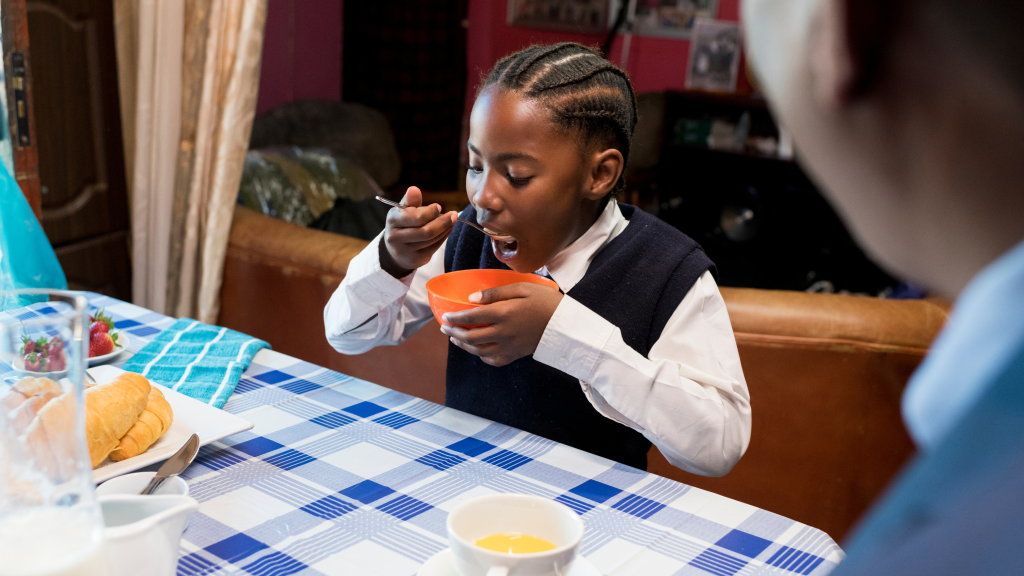
A parent is thinking about the traffic, a meeting, or a deadline. Children, on the other hand, are simply being children. Moving at a pace that makes sense in their world, not the adult one.
When tension rises, a parent may snap without meaning to:
- “Why are you so slow?”
- “We’re going to be late because of you.”
- “Can you just hurry up?”
To the adult, this is a moment of pressure.
The parent is not angry at the child; they’re overwhelmed by the morning itself. But children don’t understand contextual stress. They interpret tone, not intention. And in the absence of clarity, they turn these moments into personal meaning.
- A child doesn’t think, “Mum is running late.”
- They think, “Mum is upset because of me.”
- This is how internal narratives begin.
A child may start to believe:
- “When people are stressed, I’m the problem.”
- “My needs make life harder.”
- “The best way to keep peace is to shrink.”
This is subtle but powerful. A rushed interaction repeated consistently can lead to a child who grows into an adult who apologizes before speaking, moves quietly to avoid “being in the way,” or suppresses needs because they associate pressure with personal fault.
What’s counterintuitive is that the harm isn’t in the raised voice. Children can handle irritation. It’s the unspoken meaning they attach to that irritation that stays.
Awareness here goes further than perfection. Even acknowledging the rush aloud—“This morning is stressful, but it’s not your fault”– can completely shift the meaning the child absorbs.
2. The Quiet Car Ride That Teaches Children to Process Alone
Afternoon car rides after school have a predictable pattern. The child opens the door, drops their bag, buckles in, and goes quiet. When asked how school was, they offer a flat, “Fine.”
Parents often take this at face value because pushing too hard feels intrusive, and silence seems harmless.
But this moment is rarely neutral.
Children don’t decompress the way adults do. Adults have the vocabulary for stress, disappointment, embarrassment, boredom, and frustration.
Children have the sensations but not the words. They sit quietly, not because they’re fine, but because they’re sorting through an emotional experience they can’t describe yet.
A child who was teased in class may not know how to say, “I felt embarrassed, but I didn’t want the teacher to see me cry.” Similarly, a child who performed poorly on a test may not know how to explain the knot in their stomach.
Psychologists often talk about “emotional bridging”—the idea that children need adults to help them connect experiences with words. Jordan Peterson famously said that children “don’t know what they feel unless someone helps them sort it out,” and childhood therapists see the truth of this every day.
When a parent accepts “Fine” without leaving space for conversation, the child slowly learns another lesson:
- “My inner world is mine to handle alone.”
An empathetic response, on the other hand, helps the child learn how to share their experiences and emotions with others, which helps them to process these emotions appropriately. This isn’t about forcing a conversation. It’s about staying emotionally available. Statements such as:
- “I’m here when you’re ready to talk.”
- Or, “School days can be long. Take your time.”
Encourage the child to seek out a parent in times of distress, building trust and a sense of safety.
Over the years, these small moments determine whether a child becomes a teenager who opens up or one who retreats deeper into silence.
3. The Playful Joke That Quietly Turns Into Shame
Families tease each other; it’s common, normal, and often affectionate. A parent might make a comment meant in humor:
- “You cry at everything.”
- “You’re too sensitive.”
- “Here comes the drama.”
Adults use humor as connection, while children use it as identity.
A child doesn’t understand the difference between gentle teasing and criticism. They don’t understand that an adult might simply be joking. Instead, they interpret the words literally. Especially when the topic touches on emotions they already feel self-conscious about.
Imagine a child who cries easily. They’re overwhelmed by loud noises, corrections, or disappointment. One day, they overhear their parents joking about it with an aunt. In that instant, the child learns two things:
- Their natural emotional expression is considered “too much.”
- Other people notice and talk about it.
Research found that even playful teasing activates the same brain regions in children associated with social rejection. In other words, the child feels “left out” from emotional safety.
What’s unexpected is that these children usually don’t grow into emotionally expressive adults. Instead:
- They grow into guarded ones.
- They become the teenagers who hide their tears.
- The adults who apologise for crying.
- The people who experience feelings deeply but avoid showing them because they learned early that their emotions make others uncomfortable.
A parent can shift this dynamic by acknowledging the strengths behind sensitivity, such as empathy, awareness, intuition, and emotional depth.
Because a child labeled “dramatic” may actually be someone who feels the world intensely and needs guidance, not jokes, to navigate that depth.
4. The Subtle Tension Children Sense Even When They Don’t Understand the Words
Many parents assume that unless a child hears raised voices or obvious conflict, they are protected from adult stress. But children are remarkably attuned to tension; even whispers behind closed doors register in their nervous systems.
You may think your child didn’t notice the argument that started after they went to bed. But the next morning, your child might be unusually quiet, unusually clingy, or unusually attentive. Children pick up emotional cues using a kind of radar that adults lose over time.
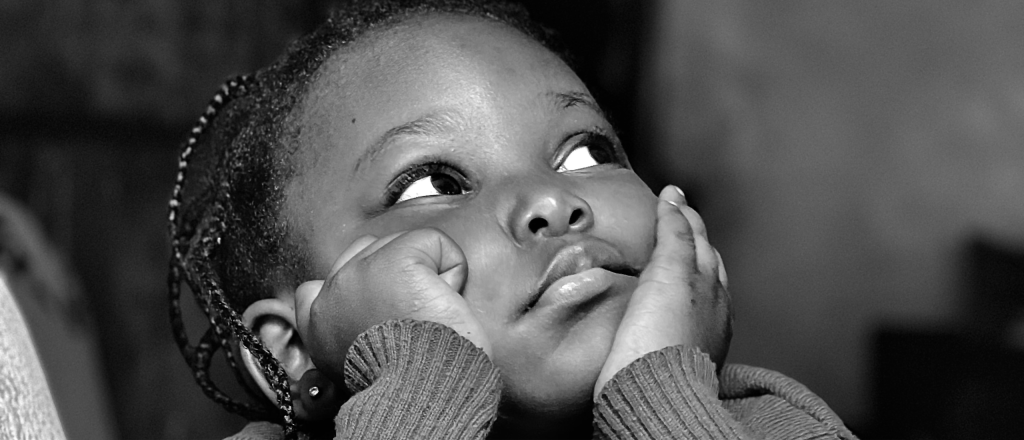
They don’t need the content of the argument to feel its weight.
They only need the atmosphere.
Therapists repeatedly hear children say things like:
- “Maybe Mum was sad because of me.”
- “I think they were fighting because I misbehaved.”
- “If I’m good, they’ll stop being angry.”
This happens even when the conflict has nothing to do with the child. Maybe it’s about bills, work, or extended family. Because children interpret the world through the lens of self-blame, they assign themselves responsibility as a way of feeling in control.
Even subtle conflict can create hypervigilance. These children grow up constantly scanning for emotional shifts, learning to anticipate tension before it happens.
In adulthood, this pattern looks like:
- Avoiding conflict at all costs
- Pleasing others to keep the peace
- Reading tone before they hear words
- Feeling responsible for other people’s emotions
The good news?
Children can tolerate adult conflict as long as they understand they’re not the cause. Narrating the moment—“We disagree sometimes, but we’re okay, and it’s not about you”—can create emotional safety without pretending life is perfect.
5. The “You’re Fine” Moment That Disconnects Kids From Their Feelings
Children fall, cry, become overwhelmed, and experience intense emotions. Parents want to soothe them quickly, so they often use phrases like:
- “You’re fine.”
- “It wasn’t that serious.”
- “Stop crying.”
The intention is comfort. But the effect is misinterpretation.
When a parent tells a child, “You’re fine,” while the child is visibly not fine, the child learns a confusing lesson: their internal experience is wrong. They stop trusting their own emotional instincts because the feedback they receive contradicts what they feel.
A pediatric study found that children whose emotions are repeatedly minimized tend to develop lower emotional literacy by age ten. They struggle to identify, express, or connect their feelings to specific events.
These are the adults who later say:
- “I’m not even sure why I’m upset.”
- “It’s not a big deal,” even when it is.
- “Other people have it worse.”
Fortunately, this isn’t a weakness but a conditioning that can be corrected when therapy is involved.
Children don’t need adults to exaggerate their pain. They need adults to acknowledge it:
- “That fall scared you.”
- “That must have hurt.”
- “It’s okay to cry when something feels big.”
Emotional validation doesn’t make a child fragile. It teaches them how to feel safe.

Why These Moments Matter for Emotional Intelligence
The world often discusses emotional intelligence, encompassing self-awareness, empathy, self-regulation, and communication, but these skills are rarely taught formally. They are absorbed from the everyday emotional environment in which a child grows up.
Children learn emotional intelligence by watching how adults:
- handle stress
- express disappointment
- manage conflict
- soothe themselves and others
- Respond to vulnerability
In other words, emotional intelligence grows in the small, ordinary moments, not the extraordinary ones.
And that’s where parents and caregivers have far more influence than they realize.
Bringing It Back to Hope with Clarity Counseling & Training Centre
This isn’t an article designed to make parents feel guilty. In fact, guilt is the least helpful response. The purpose is awareness. When adults understand the weight of everyday moments, they gain the ability to shift a child’s emotional trajectory with gentle, realistic adjustments.
Children don’t need perfect parents.
They need reflective ones.
They need adults who pause, even briefly, and ask:
“What story might my child be telling themselves at this moment?”
Clarity Counselling and Training Centre has witnessed the transformational impact that can occur when families understand these nuances. Small shifts in awareness can often lead to significant changes in our emotional well-being.
Because emotional intelligence isn’t a lesson. It’s an environment. And it’s built in the quiet, ordinary moments that unfold each day.